Refinishing hardwood floors is a vital process that can revive the beauty of your home’s flooring. Over time, even the most durable hardwood floors can show signs of wear and tear, including scratches, dents, and dullness. This comprehensive guide will walk you through the steps involved in refinishing hardwood floors effectively, ensuring that you achieve the best results. Whether you are a homeowner looking to enhance the look of your floors with a professional or a DIY enthusiast ready to take on this rewarding project, understanding how to refinish hardwood floors is essential.
What is the Hardwood Floor Refinishing Process?
Understanding the Steps Involved in Refinishing
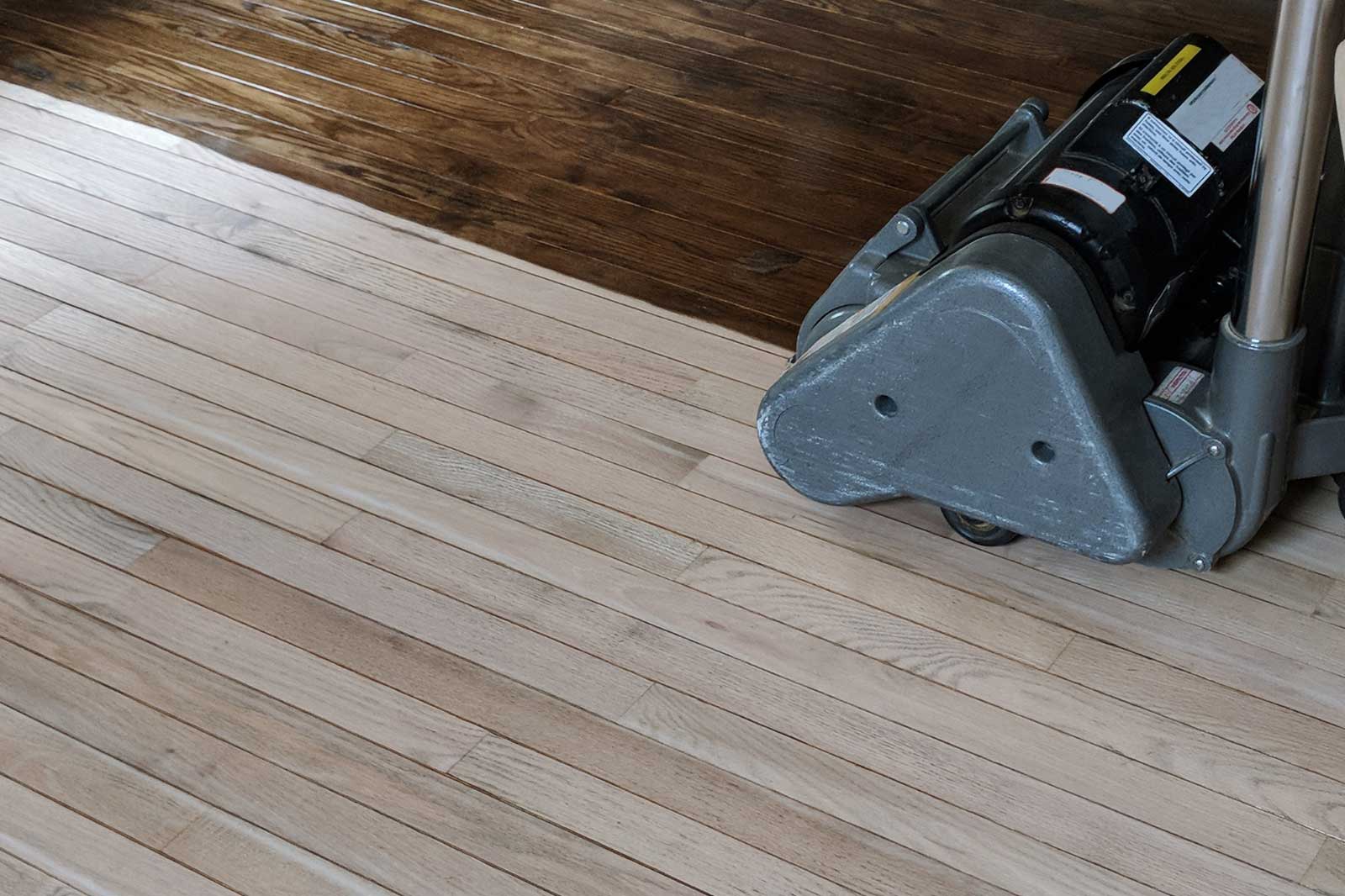
The process of refinishing hardwood floors involves several key steps that work together to restore the original beauty of the wood. Initially, the process begins with a thorough cleaning of the floor to remove any dust and debris. Next, the sanding process is crucial, as it removes the top layer of finish and any imperfections, preparing the wood for a new layer of finish. After sanding, you can apply a stain to change the color of your floor, if desired, followed by sealing with a protective finish to enhance durability. Each step in this refinishing process is essential for achieving a flawless and long-lasting outcome.
How Long Does the Refinishing Process Take?
The duration of a hardwood floor refinishing job can vary based on several factors, including the size of the area, the condition of the wood, and the number of coats applied. Typically, the entire refinishing process can take anywhere from a few days to a week. The sanding and staining processes require time for drying, and homeowners should factor in additional time for preparation and cleanup. Understanding the timeline is important for planning your refinishing project effectively.
What Tools are Needed for Refinishing Hardwood Floors?
To successfully refinish your hardwood floors, you will need specific tools and equipment. Essential tools include a floor sander, sandpaper of various grits, a sanding screen, a buffer for finishing, and a vacuum or broom to clean the floor thoroughly. Additionally, you will need rags or brushes for applying stain and finish, as well as protective gear such as masks and goggles. Having the right tools on hand will streamline the refinishing process and ensure optimal results.
How to Prepare Your Hardwood Floor for Refinishing?

What Should You Do Before You Refinish Your Hardwood Floors?
Preparing your hardwood floor for refinishing is crucial to achieving a successful outcome. Start by removing all furniture and items from the room to create a clear workspace. Next, clean the floor thoroughly to eliminate dust and debris that could interfere with the refinishing process. Inspect the wood for any damage, such as dents or gouges, and make necessary repairs before proceeding. Proper preparation will set the stage for a smooth refinishing experience.
How to Clean and Repair Your Wood Floor?
Before refinishing wood floors, it’s essential to clean the surface effectively. Begin by sweeping or vacuuming to remove any loose dirt and dust. For deeper cleaning, use a hardwood floor cleaner that won’t damage the wood. After cleaning, inspect the floor for minor scratches and dents. If you find any, you can use wood filler to repair these imperfections. This attention to detail will ensure that the final finish looks immaculate and smooth.
Should You Hire a Flooring Contractor for Preparation?
While some homeowners may choose to handle the preparation themselves, hiring a flooring contractor can be beneficial, especially if you’re unsure about the process. A professional can assess the condition of your hardwood floor, make necessary repairs, and provide expert advice on the best approaches for refinishing. This can save you time and effort, ensuring that the job is done correctly and efficiently.
What Are the Best Techniques to Sand the Floor?
How to Choose the Right Sandpaper for Your Project?
Choosing the right sandpaper is vital for the sanding process. Different grits serve different purposes; for instance, coarse grit sandpaper (around 36-60 grit) is used for initial sanding to remove old finish and imperfections, while medium grit (80-100 grit) is ideal for smoothing the surface. Finally, fine grit sandpaper (120-150 grit) will prepare the wood for staining and finishing. Selecting the appropriate sandpaper will help ensure a smooth and even finish on your hardwood floors.
What is the Proper Way to Sand the Floor?
The proper way to sand the floor involves working systematically across the entire surface. Begin by sanding along the grain of the hardwood to avoid damaging the wood fibers. Use a floor sander for larger areas and a detail sander for corners and edges. Always ensure that you vacuum or clean the floor between different grit levels to remove dust and debris. This careful approach during the sanding process is essential to achieve the best results for your refinishing job.
How to Buff the Floor After Sanding?
Once the sanding is complete, buffing the floor is crucial to prepare the surface for staining and finishing. Using a floor buffer equipped with a sanding screen, gently buff the entire floor to create a smooth surface. This will help remove any remaining dust particles and imperfections, ensuring a clean foundation for the new finish. Buffing enhances the look of your floors and contributes to a more professional finish.
When Should You Hire a Professional To Refinish Your Hardwood Floors?

Hiring a professional to refinish your hardwood floors is a wise decision in the following situations:
- Significant Wear and Damage: If your floors have deep scratches, large stains, water damage, or warping, professionals can provide the expertise and equipment to handle these issues effectively.
- Experience and Skills: Refinishing hardwood floors requires precise sanding and finishing. If you lack the necessary skills or tools, hiring a professional ensures high-quality results.
- Large Areas or Complex Layouts: For expansive spaces or floors with intricate designs, professionals can efficiently manage the work while maintaining consistency in the finish.
- Time Constraints: Refinishing floors is time-consuming. If you have a tight schedule, professionals can complete the job faster without compromising quality.
- Specialized Techniques or Finishes: If you want a specific stain, finish, or restoration of antique flooring, professionals are better equipped to deliver the desired look.
- Health and Safety Concerns: Sanding and refinishing produce dust and fumes. Professionals use advanced equipment and safety measures to minimize health risks and environmental impact.
- Warranty and Long-Term Value: Many professional services offer warranties on their work, providing peace of mind and ensuring durability.
Why A Professional Wood Floor Refinisher Is A Great Decision For Your Project
Investing in professional refinishing enhances the longevity, appearance, and value of your hardwood floors, making it a practical choice for most homeowners. By opting for professional refinishing, you not only revive the natural beauty of your hardwood floors but also protect them from wear and tear over time. This process involves sanding down the surface to remove scratches, dents, and discoloration, followed by applying a high-quality finish that seals and safeguards the wood against future damage.
Longevity of Your Floors
In addition to aesthetic improvements, refinishing can help maintain the structural integrity of your floors. Regular maintenance, including refinishing, can prevent the need for costly repairs or even replacement in the long run. Moreover, a well-maintained hardwood floor can significantly enhance the overall ambiance of your home, making it more inviting and appealing to potential buyers should you decide to sell.
Correct and Efficient
Investing in professional refinishing also ensures that the job is done correctly and efficiently. Experienced professionals have the right tools and expertise to achieve a flawless finish, minimizing dust and disruption in your home. They can also advise you on the best finishes and techniques suited to your specific type of wood, ensuring optimal results.
Ultimately, investing in professional refinishing is a wise decision that can transform your floors while adding value and charm to your living space. Whether you’re preparing for a special occasion or simply want to refresh your home, refinishing your hardwood floors can breathe new life into your interiors.
How to Choose the Right Stain and Finish for Your Hardwood Floors?
What are the Different Types of Stains Available?
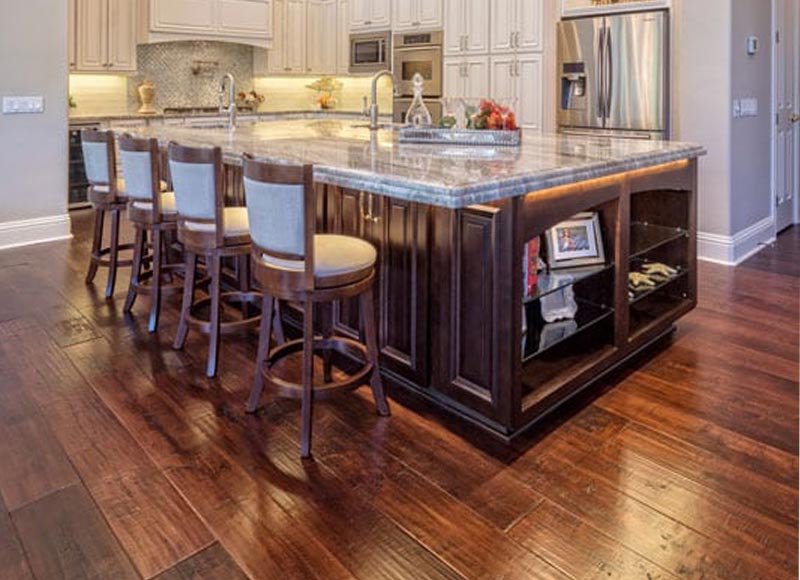
When it comes to choosing a stain for your hardwood floors, there are various options available. Oil-based stains offer deep penetration and rich color, while water-based stains dry quickly and produce fewer fumes. Gel stains are also popular for their ability to provide even color on difficult surfaces. Consider the look you want to achieve and the characteristics of your wood when selecting the right stain for your project.
How to Apply the Finish for Optimal Results?
Applying the finish is a critical step in the refinishing process that requires careful attention. Begin by stirring the finish thoroughly and using a brush or applicator to spread a thin, even layer across the floor. Work in sections, applying the finish along the grain of the wood for uniformity. Be mindful of drips and ensure that you feather the edges to prevent visible lines. Allow the finish to dry as per the manufacturer’s instructions before applying additional coats for optimal results.
What is the Importance of a Sealer in Hardwood Floor Refinishing?
The application of a sealer is essential in hardwood floor refinishing as it provides a protective layer that enhances durability. A sealer helps to prevent moisture damage, scratches, and wear, significantly extending the life of your floors. It also improves the overall look of your hardwood by adding depth and richness to the color. Choosing the right sealer and applying it correctly will ensure that your refinished hardwood floors remain beautiful for years to come.
How to Maintain Your Newly Refinished Hardwood Floors?
What are the Best Practices to Extend the Life of Your Floors?
To extend the life of your refinished hardwood floors, it’s essential to implement best practices for maintenance. Regular cleaning is key—use a soft broom or vacuum designed for hardwood to remove dirt and debris. Avoid using water or harsh chemicals that can damage the finish. Additionally, placing mats at entryways can help reduce wear and tear from foot traffic. Following these best practices will keep your floors looking new and beautiful for longer.
How to Care for Minor Scratches and Dents?
Even with careful maintenance, minor scratches and dents may occur on your hardwood floors. To address minor scratches, you can use a wood repair marker or crayon that matches the color of your floor. For deeper dents, consider using a damp cloth and an iron to steam the wood, allowing it to swell back into shape. Taking prompt action to care for these imperfections will prevent them from becoming more significant issues and help maintain the beauty of your floors.
When Should You Consider Refinishing Again?
Hardwood floors can last for decades with proper care, but eventually, you may need to consider refinishing again. Signs that it may be time for another refinishing job include significant wear and tear, discoloration, or scratches that do not respond to touch-up repairs. Generally, refinishing is recommended every 7-10 years, depending on the amount of traffic your floors endure. Regular assessments of your hardwood floors will help you determine the right timing for your next refinishing project.
In conclusion, refinishing hardwood floors is a highly effective way to restore the beauty and longevity of your home’s flooring. By following the proper steps, from preparation and sanding to applying the right finish, you can achieve a smooth, flawless surface that enhances the overall look of your space. Whether you decide to tackle the project yourself or hire a professional, understanding the refinishing process ensures you make informed decisions that align with your needs and preferences. With proper care and maintenance, your newly refinished hardwood floors will continue to shine for years to come, adding value and charm to your home. If you’re looking to hire a professional for your hardwood floor refinishing, contact us today!
About the Author: Jim Yeager, Flooring & Remodeling Expert

Table of Contents
- What is the Hardwood Floor Refinishing Process?
- How to Prepare Your Hardwood Floor for Refinishing?
- What Are the Best Techniques to Sand the Floor?
- When Should You Hire a Professional To Refinish Your Hardwood Floors?
- How to Choose the Right Stain and Finish for Your Hardwood Floors?
- How to Maintain Your Newly Refinished Hardwood Floors?