Choosing the right time to replace your flooring can be a daunting task, especially when it comes to vinyl flooring. Unlike hardwood or tile, vinyl offers a unique blend of durability, affordability, and aesthetic appeal. However, even the best vinyl flooring solutions can suffer from wear and tear over time. In this article, we will explore eight telltale signs that it may be time to replace your floor, focusing specifically on vinyl options.
What Are the Telltale Signs That It May Be Time to Replace Your Flooring?
Understanding Normal Wear and Tear on Vinyl Flooring
Vinyl flooring is renowned for its resilience, yet it is not impervious to the effects of time. Normal wear and tear can manifest as dullness, fading colors, or a lack of luster on your floor. If you notice that your vinyl flooring no longer shines as it once did, it may be time to consider a replacement. Regular maintenance can help prolong the life of your floor, but if the wear is extensive, investing in new flooring materials may be necessary. It’s crucial to recognize that these signs indicate that it’s time to replace the flooring to restore the aesthetic quality and functionality of your space.
Identifying Scratches and Cracks in Your Floor
Scratches and cracks are common issues that can plague vinyl flooring. Small scratches may seem inconsequential at first, but they can accumulate and lead to larger problems. If you find numerous scratches or deep cracks, it may be time to replace your flooring, especially if these imperfections create tripping hazards. Inspect your floor regularly for these signs; if they become pervasive, the integrity of the flooring may be compromised, signaling that it’s time for an upgrade.
Recognizing Water Damage on Vinyl Floors
Water damage is another significant factor that can indicate it’s time to replace your vinyl flooring. Vinyl is generally water-resistant, but prolonged exposure to moisture can cause it to warp or develop mold underneath. If you notice discoloration or bubbling in your vinyl, it’s crucial to address the issue immediately. Not only can water damage affect the appearance of your floor, but it can also compromise the subfloor beneath. If the damage is severe, it may indicate that it’s time to replace your flooring entirely to maintain a healthy living environment.
How Do I Know If My Vinyl Flooring Is Beyond Repair?
Signs of Warping in Vinyl Flooring
Warping is a serious issue that can arise in vinyl flooring, often due to moisture exposure or improper installation. If you notice that your floor has begun to bend or buckle, it is a clear sign that it’s time to replace your flooring. Warped sections can create uneven surfaces, leading to tripping hazards and further damage. Addressing warping promptly is essential, as ignoring it can lead to more extensive repairs or a complete flooring replacement.
Assessing the Subfloor for Damage
The condition of the subfloor is critical when considering whether vinyl flooring is beyond repair. If the subfloor has sustained damage from water or pests, it can compromise the stability of the entire flooring system. Signs such as sagging or uneven spots can indicate underlying issues. If you find that your subfloor is damaged, it’s time to replace the flooring above to ensure a solid foundation for your new floor.
Detecting Noisy Floors and Its Implications
Noisy floors can be an alarming sign that something is amiss with your vinyl flooring. Creaking or popping sounds can indicate that the flooring may be separating from the subfloor or that there are gaps forming. If these noises become frequent, it may be time to replace your flooring, as they can be precursors to more significant issues. A flooring company can evaluate the noise and help you determine if replacement is the best option.
Can I Replace Just a Section of My Vinyl Flooring?
When to Consider Partial Flooring Replacement
In some cases, it may be possible to replace just a section of your vinyl flooring rather than the entire area. If the damage is localized, such as a specific plank that has been scratched or stained, a partial replacement can be a cost-effective solution. However, determining when to consider partial flooring replacement depends on the extent of the damage and the overall condition of the surrounding flooring. If the majority of your vinyl remains in good shape, opting for a replacement of just the damaged sections can save you time and money.
Evaluating the Compatibility of New Vinyl with Existing Floors
When contemplating a partial replacement, it’s crucial to evaluate the compatibility of new vinyl with your existing flooring. Different styles and brands may vary in thickness, color, and texture, which can lead to an uneven appearance. If you decide to replace a section, choose luxury vinyl plank that closely matches your current flooring to maintain a cohesive look throughout your space.
Steps to Replace Planks in Damaged Areas
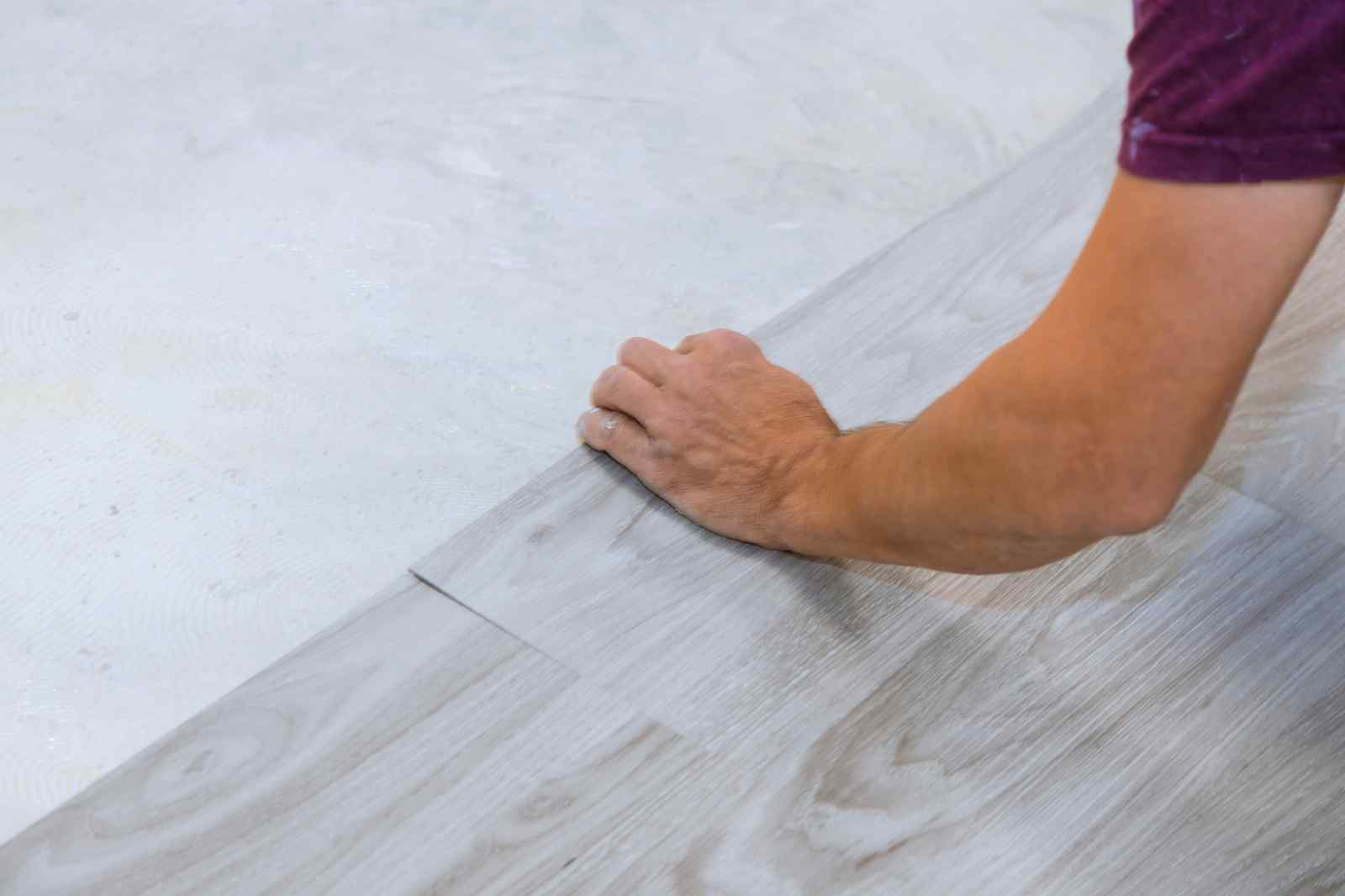
Replacing planks in damaged areas is a straightforward process if done correctly. Begin by carefully removing the damaged section of vinyl, ensuring not to damage surrounding planks. Once the old planks are removed, clean the subfloor to eliminate any debris. Next, install the new vinyl planks, aligning them properly to avoid gaps. Finally, seal the edges to secure the new planks in place. Following these steps can effectively restore your floor without the need for a complete flooring replacement.
What Are the Benefits of Upgrading to Luxury Vinyl Flooring?

Durability and Longevity of Luxury Vinyl Options
Upgrading to luxury vinyl flooring offers numerous benefits, particularly in terms of durability and longevity. Luxury vinyl is designed to withstand heavy foot traffic, making it an excellent choice for busy households. Its robust construction ensures that it can endure scratches, stains, and spills better than standard vinyl options. Thus, if you’re looking for flooring that can stand the test of time, luxury vinyl may be the ideal solution.
Design Versatility of Luxury Vinyl Plank (LVP)
Another advantage of luxury vinyl plank is its design versatility. With a wide range of colors, patterns, and textures available, luxury vinyl can mimic the look of hardwood, tile, or even stone. This variety allows homeowners to achieve the aesthetic they desire without sacrificing functionality. Whether you prefer the warmth of wood flooring or the sleekness of tile flooring, luxury vinyl can accommodate your design preferences while providing the benefits of vinyl.
Cost-Effectiveness Compared to Other Flooring Types
When considering flooring options, cost-effectiveness is a significant factor. Luxury vinyl flooring generally offers a more affordable alternative to hardwood or tile flooring. The initial investment is often lower, and the long-term maintenance costs are also reduced due to its durability. Therefore, if you’re looking for a practical yet stylish flooring solution, luxury vinyl flooring can be a wise choice.
What Should I Consider Before Choosing a New Floor?
Comparing Vinyl to Other Flooring Options: Hardwood, Carpet, and Tile
Before making a decision to replace your flooring, it’s essential to compare vinyl to other flooring options such as hardwood, carpet, and tile. Each type of flooring has its advantages and disadvantages. For instance, hardwood flooring provides a timeless appeal but requires more maintenance, while carpet offers comfort but can be prone to stains. Tile flooring is durable and easy to clean, but it can be cold underfoot. Weighing these factors will help you determine which type of flooring best suits your needs.
Understanding Maintenance Requirements for Different Flooring Types
Maintenance requirements can vary significantly between different flooring types. Vinyl flooring is relatively low-maintenance, requiring only routine cleaning and occasional refinishing. In contrast, hardwood and tile flooring may demand more intensive care, including specialized cleaning products or techniques. Understanding these maintenance needs is crucial when choosing a new floor, as they can impact your long-term satisfaction and the time you are willing to invest in upkeep.
Budgeting for Flooring Replacement and Installation
Lastly, budgeting for flooring replacement and installation is a critical step in the decision-making process. Determine your overall budget and factor in the costs associated with purchasing new flooring materials, installation, and any necessary repairs to the subfloor. It’s also wise to set aside a contingency fund for unexpected expenses that may arise during the flooring project. By planning ahead, you can make a more informed decision and avoid financial strain when replacing your flooring.
In conclusion, knowing when to replace your vinyl flooring is essential to maintaining a safe, functional, and visually appealing space. By recognizing key signs such as wear and tear, scratches, water damage, or warping, you can take proactive steps to address issues before they worsen. While partial replacements may be suitable for localized damage, upgrading to luxury vinyl flooring can provide enhanced durability, versatility, and cost-effectiveness for long-term satisfaction. Whether you’re looking to refresh your home’s aesthetics or ensure a secure foundation, understanding your flooring needs and options will help you make informed decisions that suit your lifestyle and budget.
Yeager and Co offers complimentary quotes for LVP or any type of flooring replacement. Contact us today, trusted for over 80 years!
About the Author: Jim Yeager, Flooring & Remodeling Expert