Hardwood flooring remains a favored choice for families and institutions due to its timeless beauty, durability, and potential to enhance property value. Recently, both solid and engineered hardwood options have evolved, offering products that suit distinct lifestyles and architectural styles. This guide examines the key types of hardwood flooring, their construction, benefits, and practical considerations so that prospective buyers—especially those seeking solutions for busy families—can make well‐informed decisions for lasting comfort and longevity.
Examining Solid Hardwood Flooring Selections Available
Solid hardwood flooring is made of planks crafted from a single piece of timber, typically cut from species such as oak, maple, or cherry. Its construction, performance, and natural grain patterns offer a luxury aesthetic that improves over time with proper care.

Defining Solid Wood Floor Construction
Solid wood floors consist of individual, milled planks nailed directly to the subfloor. Each plank is cut from an entire log, retaining the wood grain, knots, and natural variations that contribute to its character. This traditional construction provides a warm ambiance and excellent durability for long-lasting installations.
Advantages of Choosing Solid Hardwood
Solid hardwood offers significant benefits. Its natural composition acts as an excellent thermal insulator, enhancing comfort in colder climates. Additionally, solid wood can be sanded and refinished multiple times, which helps address wear and tear while preserving its appearance. Its hard surface also reduces allergens—a contrast to carpeting.
Considerations for Solid Hardwood Installations
When planning an installation, proper acclimation to the home’s humidity is essential, as wood expands and contracts with moisture changes. The process often requires professional expertise, and the labor-intensive nailing and leveling can increase costs. Homeowners must consider the subfloor’s condition and room usage, especially in areas prone to high moisture or heavy foot traffic.
Lifespan and Refinishing Potential of Solid Floors
Solid hardwood floors are renowned for longevity. With periodic cleaning and refinishing, a well-maintained floor can last over a century. Refinishing removes layers of wear, renewing the surface without a full replacement, making it a wise long-term investment.
Common Thicknesses in Solid Hardwood Planks
Planks are typically available in thicknesses ranging from 3/4 inch to 5/8 inch. Thicker planks are favored for their robust nature and extended lifespan, while thinner planks are sometimes chosen in renovation projects to address subfloor height concerns. Thickness also affects sound insulation and the ease of refinishing over time.
Understanding Engineered Hardwood Flooring Choices
Engineered hardwood flooring offers an alternative to solid wood by combining a real hardwood veneer with a multi-layered core that provides improved stability and moisture resistance. It works well in diverse climates and underfloor conditions.
How Engineered Wood Floors Are Made
Engineered wood floors are manufactured by bonding a top layer of genuine hardwood to layers of high-density fiberboard or plywood. This cross-layer construction counteracts natural expansion and contraction, making engineered floors more stable. Precision lamination techniques and high-quality adhesives ensure durability and consistency.
Benefits of Opting for Engineered Hardwood
Engineered hardwood is naturally more resistant to moisture, making it a suitable choice for basements or humid areas. It can also be installed over radiant heating systems without warping. The availability of click-lock systems in many engineered options speeds up installation by eliminating the need for nails or glue, while still providing a real wood aesthetic.
Suitability for Various Home Environments
Engineered hardwood adapts well to conditions with fluctuating humidity and temperature. Its core construction minimizes issues in challenging spaces like kitchens and basements. Families in regions with significant seasonal variations will appreciate its ability to maintain appearance and structural integrity.
Comparing Engineered and Solid Hardwood Durability
While both types are durable, solid hardwood can be fully refinished multiple times and tends to offer longer overall life when maintained correctly. In contrast, engineered hardwood’s refinishing potential is limited by the thickness of its veneer. However, the engineered option is less prone to moisture-induced warping, offering predictable performance in varying climates.
Installation Methods for Engineered Flooring Types
Engineered hardwood offers versatile installation methods such as floating, glue-down, and nail-down. Floating installations are popular for their cost-effectiveness and minimal subfloor preparation, often allowing DIY project completion.
Popular Wood Species Among Hardwood Flooring Types Available
Selecting the right wood species for flooring depends on both aesthetics and performance, as each type brings unique characteristics, hardness, and maintenance requirements.
Oak Hardwood Flooring Characteristics
Oak is popular for its durability, attractive grain patterns, and excellent stain acceptance. Its ability to withstand heavy foot traffic makes it ideal for busy households, and its high Janka rating confirms its long-term performance. Oak also works well with a variety of stain options, including some of the most popular stain colors for white oak floors.
Maple Hardwood Flooring Attributes
Maple is prized for its smooth, light, and consistent grain texture. Its subtle appearance makes it a versatile backdrop suitable for modern or minimalist interior styles. Known for its hardness and resistance to dents, maple offers longevity and a gentle transition when paired with contrasting furniture.
Cherry Wood Flooring Aesthetic and Hardness
Cherry wood is celebrated for its rich, warm hues and elegant grain that deepens with age. Although slightly softer than oak or maple, its natural patina and evolving color create a distinctive, refined appearance. Extra care is needed to prevent scratches, but many appreciate its classic look.
Walnut Flooring Unique Grains and Colors
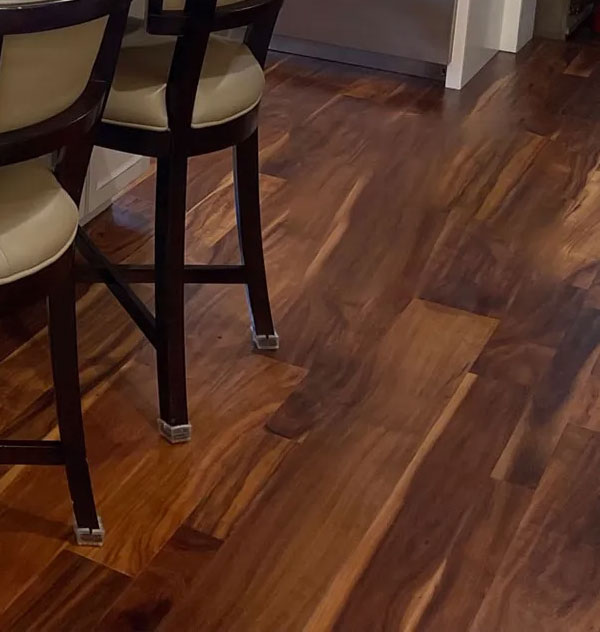
Walnut flooring is synonymous with luxury. Its dark, sophisticated tones and distinctive curly grain patterns create striking contrast in lighter rooms. While walnut is relatively softer than oak, it remains durable enough for moderate traffic and offers a unique, one-of-a-kind appeal.
Hickory and Pecan Flooring Strength and Appearance
Hickory and pecan are noted for their impressive durability and vibrant, contrasting grain patterns. With high hardness ratings, these woods are ideal for households with heavy foot traffic or active lifestyles. Their natural color variations add rustic or country charm while maintaining structural integrity.
Visual Characteristics of Different Hardwood Floor Types
The aesthetics of hardwood flooring play a crucial role in defining a room’s style. Factors such as wood grain, stain, finish, and plank dimensions combine to influence the overall ambiance.
Understanding Wood Grain Patterns Available
Different species display varying grain patterns. For instance, oak typically features prominent, swirling patterns that add texture, while maple’s grain is smoother and more subtle. These variations affect how the floor reflects light and complements interior décor.
The Impact of Different Stain Colors
Stain colors significantly influence hardwood floors’ appearance. Natural finishes showcase the wood’s inherent beauty, while modern stains allow customization from light, airy hues to deep, dramatic tones. Selecting the right stain can enhance grain appearance, unify a room’s color palette, and visually affect room size and warmth.
Exploring Surface Finishes for Hardwood Floors
Surface finishes such as oil-based polyurethane or water-based variants provide both beauty and protection against wear. High-gloss finishes create modern reflectiveness, whereas matte finishes offer a more understated look. The finish choice also impacts maintenance, with gloss finishes revealing scratches more easily.
Plank Width and Length Options
The width and length of planks influence room appearance. Wider planks create a spacious, open feel, while narrower planks lend a traditional, detailed texture. Variations in plank length allow for decorative patterns such as herringbone or chevron, adding visual interest.
Effects of Natural Light on Various Wood Types
Natural light can amplify hardwood’s beauty. Light-reflecting finishes and subtle grain patterns enhance brightness and depth, while darker woods contribute warmth and sophistication. Homeowners should consider the room’s natural light when choosing wood color and finish.
Functional Attributes of Hardwood Flooring Varieties
Hardwood flooring is not only appreciated for its beauty but also for its practicality, including durability, ease of maintenance, and response to environmental conditions.

Janka Hardness Scale and Floor Durability
The Janka hardness scale measures a wood species’ resistance to denting and wear. Hardwoods like hickory and pecan score high on this scale, indicating they perform well under heavy use and ensuring long-term durability.
Maintenance Requirements for Various Hardwood Types
Different wood species and finishes call for various routines. Solid hardwood may require periodic refinishing over decades, while engineered floors typically demand less intensive care due to protective surface layers. Regular cleaning and prompt spill management are key to preserving a floor’s natural beauty.
Resistance to Moisture and Humidity Levels
Moisture resistance is crucial when choosing between solid and engineered hardwood. Engineered floors, with their layered construction, are more tolerant of moisture fluctuations and are often preferred in basements or kitchens. In contrast, solid hardwood may expand or warp if not properly acclimated.
Acoustic Properties of Hardwood Selections
Acoustic comfort is an important factor. Dense hardwoods absorb sound better than softer options, reducing echoes and noise transmission between floors. When paired with proper underlayment, hardwood can contribute to a quieter indoor environment.
Allergen Reduction With Hardwood Surfaces
Hardwood floors offer an advantage over carpeting by not trapping allergens such as dust mites and pet dander. Their smooth surfaces are easier to clean, contributing to a healthier living environment for families and allergy-sensitive individuals.
Choosing Appropriate Hardwood Flooring Types for Your Needs
Selecting the right hardwood flooring involves considering lifestyle, budget, and long-term value. Both aesthetic and functional differences among wood types should guide the decision.

Assessing Foot Traffic in Different Rooms
High-traffic areas such as living rooms and hallways benefit from harder species like oak, hickory, or pecan. In contrast, bedrooms or formal dining rooms can opt for softer woods with elegant grain patterns like cherry or walnut. Assessing expected wear helps determine the appropriate species and finish.
Matching Flooring to Your Home’s Style
A cohesive interior design is achieved when the flooring complements the overall style—be it modern, traditional, rustic, or transitional. The wood’s color, grain, and finish should work with furniture, wall colors, and décor to create a harmonious look.
Budgeting for Different Hardwood Flooring Options Available
Cost is an essential consideration. Solid hardwood often requires a higher initial investment and installation cost compared to engineered hardwood, which may offer easier installation and lower upfront expenses. Long-term maintenance and refinishing costs should also be factored into the budgeting process.
Considering Long-Term Value and Resale
High-quality hardwood flooring is prized for its contribution to a home’s resale value. Durable, well-maintained floors are attractive to prospective buyers. Evaluating longevity, refinishing potential, and maintenance needs can help determine which option offers the highest long-term value.
Environmental Impact of Hardwood Choices
Sustainable sourcing and environmental responsibility are increasingly important. Choosing hardwood from renewable sources and certified forests supports environmental stewardship. Engineered hardwood often minimizes waste due to its efficient use of wood veneer, and low-VOC finishes enhance indoor air quality.
Summary List and Comparative Table
Before turning to the FAQs, here is a concise overview of key hardwood flooring attributes:
- Oak Flooring – Durable and versatile with prominent grain patterns.
- Maple Flooring – Smooth texture and high resistance to dents.
- Cherry Flooring – Rich hue and evolving patina with age.
- Walnut Flooring – Luxurious appearance with distinctive grains.
- Hickory/Pecan Flooring – Robust, with vibrant color contrasts for active homes.
Below is a table summarizing the functional attributes of various hardwood species:
| Wood Species | Hardness (Janka) | Ideal For | Maintenance | Aesthetic Quality |
|---|---|---|---|---|
| Oak | High | High foot traffic | Moderate | Classic, textured grain |
| Maple | Very High | Modern interiors | Low to moderate | Smooth, uniform appearance |
| Cherry | Medium | Formal living/dining | Higher care needed | Rich, warm patina |
| Walnut | Medium | Low to moderate traffic | Moderate | Luxurious, dark tones |
| Hickory/Pecan | Very High | Active, robust homes | Moderate | Vibrant, contrasting grain |
The table and list above capture crucial points to consider when selecting hardwood flooring that suits both lifestyle and design requirements.
Frequently Asked Questions
Q: How does solid hardwood flooring compare to engineered hardwood in terms of longevity? A: Solid hardwood can be refinished multiple times over a century, while engineered hardwood, with its limited veneer layer, may only allow a few refinishing cycles but offers better moisture resistance.
Q: What factors should be considered when choosing plank width and length? A: Plank dimensions affect the room’s appearance—wider planks create an open feel, while narrower ones offer a traditional look; design patterns such as herringbone can further enhance visual appeal.
Q: How do natural stain colors influence the appearance of hardwood floors? A: Stain colors highlight wood grain and affect room ambience—light stains brighten a space, whereas dark stains add elegance and depth.
Q: Why is the Janka hardness scale important for selecting hardwood flooring? A: It measures a wood species’ resistance to dents and wear, helping determine which flooring is best for high-traffic areas and long-term durability.
Q: Can hardwood flooring help reduce allergens in the home? A: Yes, hardwood’s hard surface does not trap allergens as carpeting does, making it easier to clean and more hypoallergenic.
Q: What environmental benefits are associated with choosing sustainable hardwood flooring? A: Sustainable hardwood is sourced from responsibly managed forests, reduces waste, and, when paired with low-emission finishes, contributes to improved indoor air quality.
Final Thoughts
Hardwood flooring offers an exceptional blend of natural beauty, durability, and timeless appeal that can elevate any home environment. Whether you choose the classic elegance of solid wood or the modern stability of engineered options, your selection can address both aesthetic desires and practical needs. By carefully evaluating maintenance requirements, environmental impact, and expected traffic levels, you can make an investment that not only enhances your home but also adds lasting value. This guide aims to empower readers to navigate the diverse hardwood market with confidence and clarity.
About the Author: Jim Yeager, Flooring & Remodeling Expert