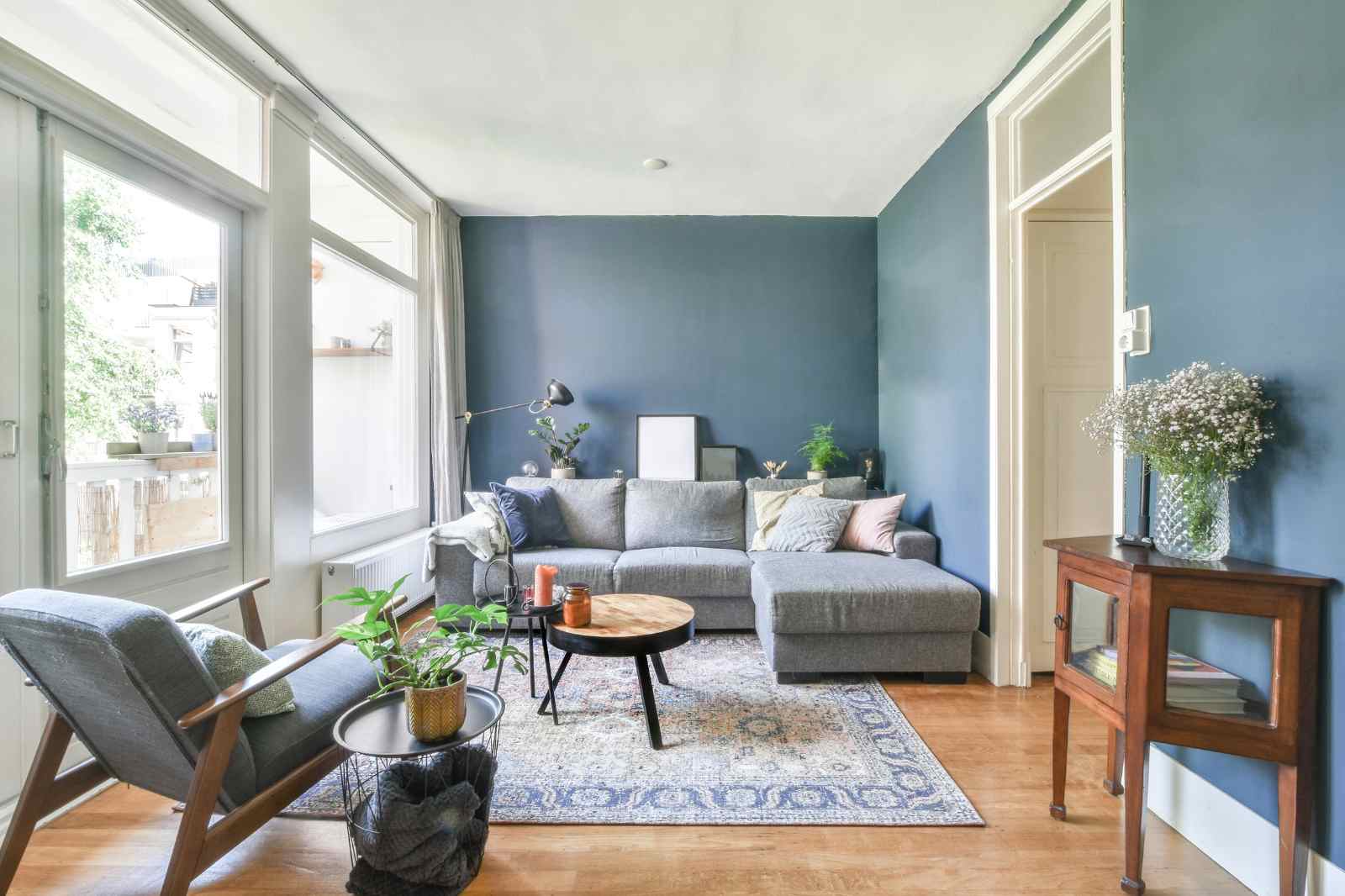
In today’s world, many individuals and families find themselves living in small homes or apartments. The challenge of maximizing space in a small living room can be daunting, but with the right design tips, you can create a stylish and functional living area that feels larger than it is. This article will explore various strategies to help you make the most of your small living space, focusing on furniture selection, color schemes, and innovative storage solutions. Let’s dive into the ways you can transform your small living room into a comfortable and inviting oasis.
What are the best design tips for small spaces?
When it comes to maximizing space in a small room, the first step is to adopt a minimalist approach to your interior design. Opt for furniture pieces that serve multiple purposes, such as a coffee table that doubles as storage or a sofa bed for guests. This way, you can make your small living room feel larger by reducing clutter and focusing on essential items. Additionally, consider using built-in shelves or floating shelves to utilize wall space effectively, allowing you to display decor without encroaching on floor space. Choosing light-colored furniture and decor can also enhance the perception of space, creating an airy atmosphere.
How can I make my small living room feel larger?
To make a small room feel larger, embrace the concept of open space. Avoid heavy drapery and opt for sheer curtains that allow natural light to flow in. An open and bright living area can significantly contribute to the illusion of a larger space. Mirrors are another fantastic tool for creating the effect of depth. By strategically placing mirrors across from windows or light sources, you can reflect light and make the room look bigger. Incorporate low-profile furniture pieces that allow for unobstructed views across the room, further enhancing the feeling of spaciousness.
What furniture should I choose for a small room?
Choosing the right furniture for a small living room is crucial in maximizing space. Look for sleek, contemporary designs that don’t overpower the area. Opt for a sectional sofa that fits snugly in the corner, or a compact loveseat that provides seating without taking up too much room. Multi-functional furniture is also a great way to maximize space in a small living room; consider ottomans that can serve as seating or storage, and choose a coffee table that can be easily moved or adjusted. When selecting a small bedroom or living room furniture, prioritize pieces that are proportionate to the size of the space, ensuring they don’t overwhelm the room.
What are Effective Ways to Utilize Vertical Space?
How can vertical storage solutions help maximize space?
Vertical storage solutions are an excellent way to maximize space in a small living room. By taking advantage of the wall space, you can free up valuable floor space. Install tall bookcases that reach the ceiling or wall-mounted shelves to display books, plants, or decorative items. This not only keeps your belongings organized but also draws the eye upward, making the room feel taller. Consider using pegboards or wall hooks for added functionality and style. These vertical solutions can transform your small living area into a more organized and visually appealing space, proving that even in a tiny room, you can make the most of every square inch.
What are some creative ideas for wall space in small rooms?
Creativity is key when it comes to utilizing wall space in small living areas. Instead of traditional artwork, think about incorporating functional elements like a chalkboard wall or a corkboard for notes and photos. You might also consider hanging plants or installing a vertical garden to add a touch of nature without taking up floor space. Gallery walls are another fun option, allowing you to display a collection of smaller artworks or photographs in a cohesive manner. By thinking outside the box, you can maximize wall space and create a unique focal point in your small living room.
How to incorporate tall furniture to make the room look bigger?
Tall furniture can be an effective design strategy for making a room look bigger. By incorporating bookshelves or cabinets that reach up to the ceiling, you draw the eye upward, which creates an illusion of height in the room. Tall furniture also offers additional storage solutions, allowing you to keep the floor space clear and clutter-free. When selecting tall pieces, ensure they are not too bulky; opt for sleek designs that maintain an airy feel. This approach helps to maximize space in a small living room while adding an element of sophistication to your interior design.
How to Make a Small Living Room Look Bigger?
What color schemes work best in a small living area?
Color plays a significant role in how a small living room is perceived. Light and neutral color schemes, such as whites, creams, and soft pastels, can make the space feel larger and more open. These colors reflect light, creating a bright and welcoming atmosphere. Alternatively, if you prefer bolder hues, consider using them as accent colors on smaller pieces of furniture or decor items. This strategy allows you to add personality to your space without overwhelming it. When painting walls, consider a monochromatic palette to create a seamless flow that enhances the room’s overall spaciousness.
How does lighting impact the perception of space?
Lighting is another crucial factor in making a small living space feel larger. Natural light should be maximized wherever possible, so keep window treatments light and airy. In addition to natural light, layered lighting can create depth and dimension in the room. Use a combination of overhead lights, floor lamps, and table lamps to illuminate different areas effectively. Soft, warm lighting can create a cozy ambiance, while brighter lights can enhance visibility and make the room feel more spacious. By understanding how lighting affects perception, you can significantly improve the atmosphere of your small living room.
What are some design ideas to create an open feel?
Creating an open feel in a small living room can be achieved through thoughtful design ideas. One effective strategy is to maintain a cohesive design theme throughout the space. Using similar colors, materials, and styles can create a sense of unity that makes the room feel larger. Open shelving instead of solid cabinets allows for visibility and airiness. Additionally, consider incorporating sliding doors or room dividers that can be opened to combine spaces when needed, further enhancing the openness. These design ideas help create an inviting environment that makes a small room feel bigger.
How to Optimize Floor Space in a Small Room?
What are the best room layouts for small living rooms?
Optimizing floor space in a small room can significantly improve functionality and comfort. The best room layouts often involve arranging furniture in a way that promotes conversation and flow. A common approach is to position seating in a U-shape or L-shape, allowing for easy movement throughout the area. Avoid placing furniture against walls; instead, consider floating arrangements that create a more inviting atmosphere. This layout encourages interaction and maximizes the usable floor space, making your small living room feel more spacious and welcoming.
How can multi-functional furniture help maximize space?
Multi-functional furniture is a game-changer when it comes to maximizing space in a small living room. Pieces like storage ottomans, convertible sofas, and extendable coffee tables can provide additional functionality without taking up much space. For instance, a coffee table that opens up for storage can help keep your living area organized and clutter-free. Similarly, a sofa bed can easily transform your living space into a guest room when needed. By strategically incorporating multi-functional furniture, you can make the most of your small living room while maintaining style and comfort.
What are practical tips for arranging furniture in a tiny room?
Arranging furniture in a tiny room requires careful consideration and strategic planning. One practical tip is to select furniture that is appropriately scaled for the size of the room; oversized pieces can overwhelm the space. Create zones within the living area by using rugs or furniture placement, which can help define different functions without crowding the room. Additionally, consider the flow of movement; ensure there is enough space to walk between furniture pieces comfortably. Using furniture with legs can also help create a sense of openness, as it allows visibility of the floor, making the room feel larger.
What Accessories Can Help Make a Small Room Feel Larger?
How to select small items that add style without cluttering?
When accessorizing a small living room, it’s essential to choose items that enhance the space without creating clutter. Opt for a few statement pieces rather than a multitude of smaller decor items. For instance, a large piece of artwork can serve as a focal point, drawing the eye while keeping the surrounding area clean. Additionally, consider using decorative storage solutions like stylish baskets or trays to keep smaller items organized. By thoughtfully selecting accessories, you can add style and personality to your small room while making it feel larger.
What types of mirrors are best for maximizing space?
Mirrors are a powerful accessory for creating the illusion of space in a small living room. Full-length mirrors or oversized wall mirrors can reflect light and create a sense of depth, making the room feel bigger. Position mirrors opposite windows to capture and reflect natural light, enhancing brightness. Additionally, consider using mirrored furniture or decor accents, which can add a touch of elegance while maintaining an open feel. The strategic use of mirrors can effectively maximize space in your small living area.
How can greenery enhance a small living room design?
Incorporating greenery into your small living room design can significantly enhance the ambiance, making it feel more inviting and spacious. Plants add color, texture, and life to any space, and they can create a calming atmosphere that is particularly beneficial in a tiny room. Choose low-maintenance plants that fit the scale of your living area; vertical planters or hanging pots can effectively utilize wall space. Additionally, consider grouping plants together to create a mini indoor garden, which can draw attention and encourage a sense of openness. By integrating greenery, you can breathe life into your small living room and make it feel larger and more vibrant.
Maximize Space in a Small Living Room: 10 Design Tips for Style
In modern living, many individuals find themselves navigating the challenges of small living spaces. A small living room can often feel cramped and restrictive, but with the right design tips and strategies, it’s possible to maximize space and create a stylish, functional environment. The following guide explores effective ways to make your small living room feel larger and more inviting, utilizing innovative interior design techniques and furniture arrangements.
How to Maximize Space in a Small Living Room?
What are the best design tips to make a small room feel larger?
To begin with, one of the most effective design tips to make a small room feel larger is to choose a light color palette. Light hues, such as soft whites, pastels, or muted shades, can help reflect light and create an airy atmosphere, making the room look bigger. Incorporating a few accent colors can add vibrancy without overwhelming the space. Additionally, using a consistent color scheme throughout the room can unify the decor, creating a seamless flow that enhances the sense of space in your small living area. Another important tip is to declutter; minimizing unnecessary items can significantly open up your living room, allowing for better movement and visual clarity.
How can I utilize vertical space in my small living room?
Utilizing vertical space is a crucial strategy when it comes to maximizing space in a small living room. Tall bookshelves or wall-mounted shelving can draw the eye upward, creating the illusion of a higher ceiling. Vertical storage solutions are particularly effective in tiny rooms where floor space is limited. Consider using wall-mounted cabinets or floating shelves to display decorative items or books, which can keep the floor clear while also making the room feel larger. Additionally, hanging art or photographs at eye level can also enhance verticality and create a more expansive feel within the confines of a small room.
What furniture arrangements maximize floor space?
Furniture arrangement plays a significant role in maximizing floor space in a small living room. Opt for a layout that encourages flow and movement, such as placing the sofa against a wall or in an L-shape with another piece of furniture, like a chair. This arrangement not only conserves space but also opens up the center of the room, making it feel larger. Additionally, consider using multifunctional furniture, such as a coffee table with storage or an ottoman that can serve as both seating and a footrest. Choosing lighter furniture pieces and avoiding bulky designs can also help in making a small living room feel more spacious.
What Design Ideas Can Make a Small Living Room Look Bigger?
How can color choices create a sense of space in a tiny room?
Color choices are pivotal in creating a sense of space in a tiny room. Lighter shades reflect more light, which can make a small living room feel larger and more open. Consider painting the walls a soft, neutral color and using darker hues for accents to create depth. You can also utilize a monochromatic color scheme, where variations of a single color dominate the space, allowing for a cohesive and expansive appearance. Incorporating mirrored surfaces or glossy finishes can further enhance this effect by reflecting light and creating the illusion of depth, ultimately making the room look bigger.
What types of small items can contribute to maximizing space?
In a small living room, the choice of small items can significantly contribute to maximizing space. Opt for decor that serves a dual purpose; for instance, decorative baskets can act as both storage and aesthetic enhancements. Choose small-scale furniture pieces that do not overwhelm the space, such as a slim console table or a compact armchair. Additionally, lightweight, movable items can be rearranged easily to adapt to various needs, whether for entertaining guests or creating a cozy nook for reading. Ensuring that each piece serves a function can help make your small living room feel more organized and spacious.
How do mirrors enhance the feeling of space in a small living room?
Mirrors are a brilliant design tool that can dramatically enhance the feeling of space in a small living room. By strategically placing mirrors across from windows or light sources, you can reflect natural light, which not only brightens the room but also creates an illusion of depth. Large mirrors can visually expand the area, making it feel much more open. Furthermore, using mirrored furniture or decor can add a touch of elegance while contributing to the overall spacious appearance of your small living space. Incorporating mirrors into your interior design can be a simple yet effective way to make a room feel larger.
How to Make Your Space Feel Larger with Room Layout?
What is the best room layout for maximizing a small living area?
The best room layout for maximizing a small living area often involves creating zones for different activities while maintaining an open flow. For instance, position your seating area to face the main focal point, whether it’s a fireplace or a television, while ensuring there’s enough space to walk around comfortably. An open layout allows for easy transitions between spaces, making the room feel more extensive. Utilizing area rugs can help define each zone within the larger space, breaking up the layout visually without adding bulk.
How can I arrange my furniture to make a small room feel larger?
Arranging furniture thoughtfully can significantly impact how a small room feels. One effective approach is to keep larger pieces of furniture away from the entryway to avoid a cramped impression. Placing the sofa against a wall helps to free up floor space, while using lightweight chairs that can be easily moved around can enhance flexibility. Additionally, consider using furniture with legs that allow for visibility beneath, creating an illusion of more floor space. Avoid overcrowding the room with too many large furnishings; instead, opt for fewer pieces that make a bold statement, ensuring that the room remains open and inviting.
What are the advantages of an open floor plan in small spaces?
An open floor plan can be incredibly advantageous in small spaces as it removes barriers and enhances the flow between different areas of the home. This layout allows for more natural light to permeate the space, making it feel brighter and more expansive. An open design also encourages versatility, as the same area can be used for multiple purposes, such as entertaining, relaxing, or dining. When every inch of space is utilized effectively, an open floor plan can dramatically maximize the available square footage, making your small living area feel much larger and more functional. You can easily add light hardwood floors throughout the entire house to improve the spaciousness.
How to Create Space in a Tiny Room?
What are effective storage solutions for small living rooms?
Effective storage solutions are essential for creating space in a tiny room. Consider incorporating built-in shelving that can utilize wall space without taking up additional floor area. A handyman or carpenter can help build this for your space. Using decorative storage boxes or baskets can help organize items while also serving as stylish decor. Opt for furniture that includes hidden storage, such as a storage ottoman or a coffee table with compartments. Vertical storage options, such as hooks or pegboards, can also keep frequently used items easily accessible while freeing up valuable space in your small living room.
How to choose multifunctional furniture in a small home?
Choosing multifunctional furniture is crucial in maximizing space in a small home. Look for pieces that can serve more than one purpose; for example, a sofa bed can provide seating during the day and transform into a sleeping area at night. Nesting tables are another excellent option, as they can be used separately when needed and tucked away when not in use. Additionally, consider furniture that can be easily reconfigured, allowing for adaptability as your needs change. This approach not only optimizes space but also enhances the overall functionality of your living space.
What accessories can help maximize space in a small living room?
Accessories play a significant role in maximizing space in a small living room. Choose lightweight decor items, such as sheer curtains, which allow natural light to filter through while maintaining privacy. Wall-mounted lighting fixtures can save valuable table space while providing ample illumination. Incorporating floating shelves can offer display space for plants, books, or decorative objects without taking up floor area. Additionally, using a cohesive color palette and matching accessories can create a streamlined look, making the room appear more organized and spacious.
What Tips Can Help Make a Small Living Room More Functional?
How to maximize your tiny living room for entertainment?
To maximize your tiny living room for entertainment, consider creating a versatile seating arrangement that accommodates guests without overwhelming the space. Modular furniture can be rearranged to suit different gatherings, while additional seating, such as poufs or folding chairs, can be easily stored when not in use. Incorporating a small bar cart can serve as a stylish beverage station that can be moved as needed. Additionally, using a wall-mounted television can free up floor space, allowing for a more open and inviting environment for entertaining friends and family.
What are the best ways to incorporate plants in a small space?
Incorporating plants in a small space can significantly enhance the ambiance and make the room feel more vibrant. Opt for vertical planters or wall-mounted pots to utilize wall space without taking up floor area. Hanging plants from the ceiling can add a touch of greenery without cluttering surfaces. Choose smaller plant varieties that won’t overwhelm the space, and consider using stylish pots that complement your decor. Plants not only improve air quality but also create a warm, inviting atmosphere in any small living area.
How can lighting be used to enhance the feel of a small room?
Lighting can dramatically enhance the feel of a small room by creating an illusion of space and warmth. Utilize a combination of ambient, task, and accent lighting to create depth and interest. Choose light fixtures that are proportionate to the room size; oversized fixtures can make a space feel cramped. Using dimmers allows you to adjust the lighting to suit different moods and activities, ensuring a cozy atmosphere. Additionally, strategically placing mirrors opposite light sources can amplify brightness and make the small living room feel larger and more inviting.
In conclusion, maximizing space in a small living room is all about using smart design strategies and creative solutions. By choosing multifunctional furniture, embracing light colors, and utilizing vertical storage options, you can transform a small room into a spacious, stylish, and comfortable area. Incorporating mirrors, maximizing natural light, and using low-profile furniture are just a few ways to create the illusion of a larger space. With thoughtful planning and attention to detail, even the smallest living rooms can be turned into beautiful, functional spaces that feel much bigger than they really are.
About the Author: Jim Yeager, Flooring & Remodeling Expert