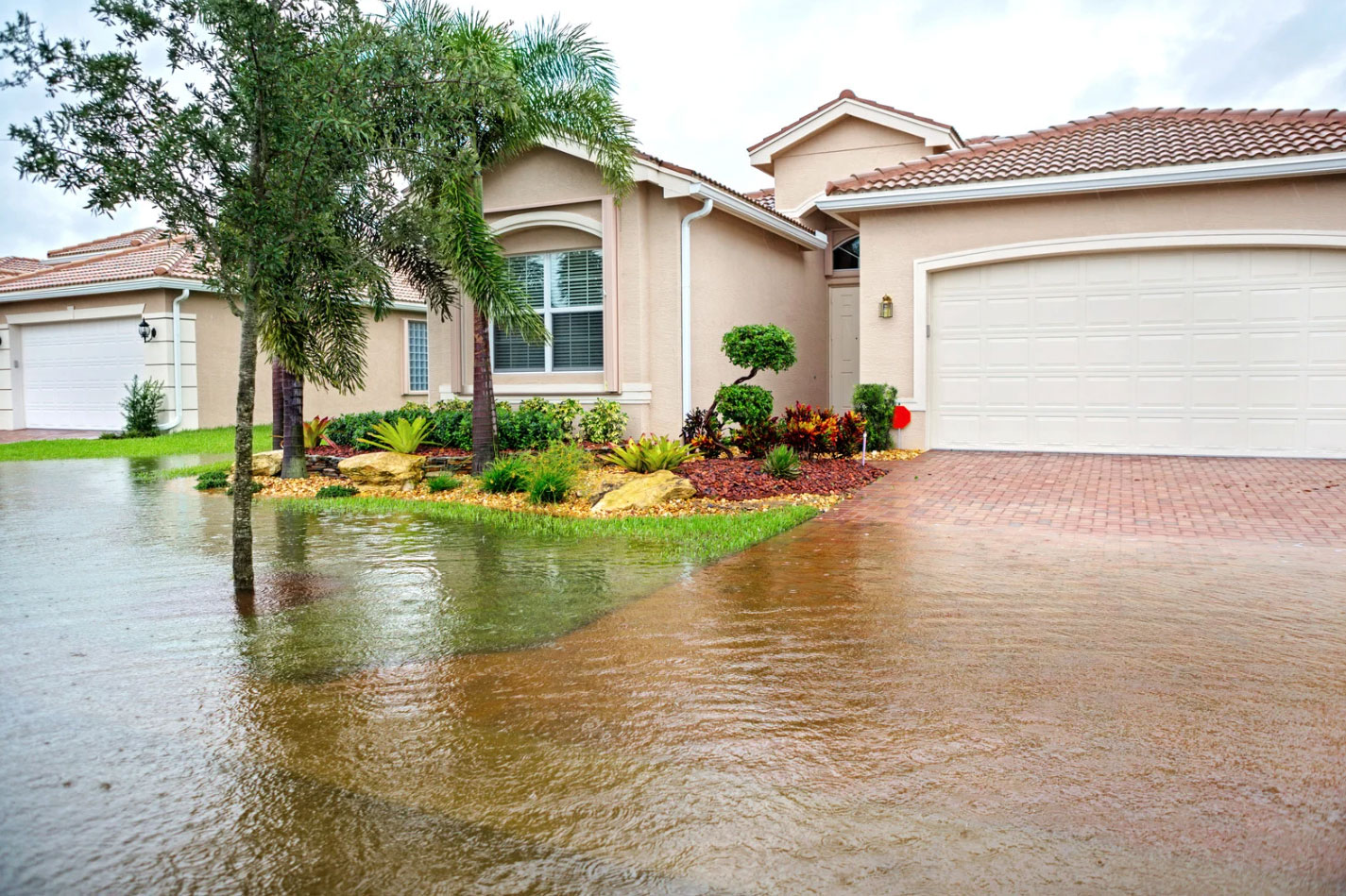
Hurricane-force winds and floodwaters can infiltrate a home in minutes, causing extensive structural damage, electrical hazards, health risks, and emotional distress for families. This guide empowers households with clear insights into hurricane impacts on homes, actionable preparation strategies, and safe recovery practices. Readers will learn about:
- Types of damage ranging from foundation to personal belongings
- Immediate and long-term health hazards including mold and waterborne illnesses
- Essential family hurricane plans, prevention measures, and insurance basics
- Safe cleanup protocols, professional restoration triggers, and mental health support
- Trusted resources for ongoing guidance
What Types of Damage Can Hurricanes Cause to Your Home?
Hurricane damage occurs when high winds breach protective barriers, driving rain saturates construction materials, and storm surge causes flooding, accelerating deterioration of structural systems. Moisture intrusion undermines foundations, electrical wiring, HVAC components, and personal property, leaving long-lasting consequences for safety and habitability. For example, one foot of standing water can warp load-bearing beams and destroy drywall supports.
How Does Hurricane Wind and Water Affect Structural Integrity?
Hurricane winds and associated flooding weaken a home’s load-bearing elements by saturating porous materials, eroding soil beneath foundations, and exerting immense pressure on walls and roofs.
| Component | Damage Effect | Consequence |
|---|---|---|
| Foundation slab | Soil erosion and cracking | Uneven settling and increased collapse risk |
| Wall framing | Wood rot and swelling | Loss of load support and bowed walls |
| Roof structure | Shingle uplift and sheathing damage | Water intrusion and potential collapse |
| Drywall and insulation | Mold growth and delamination | Diminished structural integrity and reduced insulation R-value |
Structural moisture damage compromises safety and requires thorough assessment before reoccupation, paving the way for electrical and HVAC remediation.
What Electrical Hazards Arise After a Hurricane?
Even after wind and rain subside, submerged wiring and outlets can remain live, posing shock and fire hazards. Key risks include:
- Short circuits from water contact with live conductors
- Hidden corrosion in circuit breakers and junction boxes
- Dangerous arcs when restoring power without testing
- Carbon monoxide exposure from improperly ventilated generators
Families should treat all flooded outlets as energized until inspected by a licensed electrician. Ensuring power is off before entry reduces electrocution and fire risks while restoration proceeds.
How Are HVAC Systems Impacted by Hurricane Conditions?
Hurricane-force winds can damage outdoor units, and floodwater can contaminate ducts and mechanical components, spreading allergens and pathogens throughout living spaces. Common HVAC issues are:
- Motor and compressor failure – Water infiltration causes electrical shorts.
- Contaminated ductwork – Mold and bacteria accumulate in insulated cavities.
- Damaged outdoor units – Debris and wind can cause physical damage.
Prompt drying and professional cleaning of coils, valves, and vents prevent respiratory hazards and restore system efficiency when combined with mold remediation measures.
What Happens to Personal Property During a Hurricane?
Hurricane winds can carry debris that damages items, and floodwater carries contaminants that bond to fabrics, electronics, and wood finishes, destroying heirlooms and furniture. Waterlogged items often require replacement rather than restoration.
- Textiles and upholstery absorb sewage, chemicals, and bacteria
- Electronics short out upon moisture contact and corrode internal circuits
- Wood floors and cabinets warp, stain, and delaminate under prolonged exposure (see guidance on choosing durable hardwood floor stains)
- Paper goods and sentimental items dissolve or become mold-ridden beyond salvage
Families should document losses with photos before disposal and refer to specialist advice when selecting hurricane-resistant materials or refinishing surfaces using techniques like those in “6 Best Stain Colors for Hardwood Floors.” Proper disposal of contaminated belongings reduces health threats and prepares the home for restoration.
What Are the Health Risks of Hurricanes for Families?
The aftermath of a hurricane, with its blend of sewage, chemicals, and biological agents from flooding, creates multiple health hazards for residents returning to a compromised home. Contaminated moisture fosters infections, respiratory illnesses, and mental stress. For example, mold spores can trigger asthma attacks in children within hours of colonization.
How Does Mold Growth Affect Respiratory Health?
Mold spores flourish on damp surfaces and release allergens that irritate lungs and immune systems.
| Condition | Impact | Onset Time |
|---|---|---|
| Stachybotrys chartarum (black mold) | Chronic sinus congestion and persistent cough | 24–48 hours |
| Aspergillus species | Allergic bronchopulmonary reactions and asthma exacerbation | 48–72 hours |
| Penicillium | Eye irritation and skin rashes | 24–48 hours |
Health Risks of Mold Exposure
Exposure to mold can cause various respiratory issues, including allergic reactions and asthma exacerbation. Different types of mold, such as Stachybotrys chartarum (black mold), Aspergillus species, and Penicillium, can trigger different health responses, from chronic sinus congestion to skin rashes.
Centers for Disease Control and Prevention (CDC), “Mold and Health” (2022)
This information supports the article’s discussion of the health risks associated with mold growth in homes after a hurricane.
What Diseases Can Contaminated Floodwater Cause?
Floodwater often harbors bacteria, viruses, and parasites from sewage backups and agricultural runoff. Key waterborne diseases include:
- Leptospirosis from wildlife urine, causing fever and kidney inflammation
- Giardiasis leading to gastrointestinal distress and chronic diarrhea
- Hepatitis A with liver dysfunction after ingestion of tainted water
- E. coli infections producing severe cramps and blood-tinged stool
Waterborne Diseases and Floodwater
Floodwater often contains harmful pathogens, including bacteria, viruses, and parasites, that can cause serious illnesses. Common waterborne diseases include Leptospirosis, Giardiasis, Hepatitis A, and E. coli infections, which can lead to fever, gastrointestinal distress, and liver dysfunction.
World Health Organization (WHO), “Water-related diseases” (2023)
This citation reinforces the article’s warning about the dangers of contaminated floodwater and the importance of hygiene.
How Do Pest Infestations Increase After a Hurricane?
Standing water and debris attract rodents and insects seeking shelter and breeding grounds. Families may encounter:
- Mosquitoes transmitting West Nile and Zika viruses
- Rodents carrying hantavirus and leptospirosis
- Cockroaches triggering allergies and contaminating food stores
Sealing entry points, removing standing water, and safe indoor pesticide application interrupt pest-driven disease transmission.
What Are the Psychological Effects of Hurricanes on Families?
The trauma of property loss and displacement can trigger anxiety, depression, and post-traumatic stress. Affected families often experience:
- Sleep disturbances and hypervigilance in children
- Persistent worry about future storms among adults
- Grief reactions over lost heirlooms and safe spaces
Accessing mental health support early, maintaining family routines, and discussing feelings openly foster resilience and emotional recovery.
How Can Families Prepare Their Homes and Health for Hurricanes?
Proactive preparation shields both property and well-being, reducing damage severity and health complications. A comprehensive family hurricane plan, combined with structural defenses and insurance coverage, builds a safer home environment.
What Steps Are Essential for Creating a Family Hurricane Emergency Plan?
- Designate evacuation routes and safe meeting spots outside the hurricane zone.
- Assemble an emergency kit with first-aid supplies, medications, bottled water, and essential documents.
- Assign roles and communication methods so children and elders can contact each other if separated.
- Practice hurricane drills biannually to reinforce responses and address logistical gaps.
Regularly reviewing and rehearsing this plan promotes confidence and swift action when hurricane warnings arrive.
Which Home Hurricane Prevention Measures Are Most Effective?
| Measure | Mechanism | Benefit |
|---|---|---|
| Sump pump with battery backup | Removes basement water quickly | Prevents standing water and mold growth |
| Hurricane shutters and impact-resistant windows | Protects against wind-borne debris | Prevents window breakage and water intrusion |
| Elevating appliances and utilities | Raises vulnerable equipment above flood level | Protects HVAC, electrical panels, and meters |
Integrating these measures ahead of peak hurricane season strengthens a home’s resilience and aligns with medical recommendations to minimize contaminant exposure.
How Does Hurricane Insurance Protect Homeowners?
The National Flood Insurance Program under FEMA offers specialized coverage that homeowner policies exclude. It’s crucial to understand what your homeowner’s policy covers and what requires separate flood insurance.
- Building coverage for foundation, walls, and electrical systems
- Contents coverage for personal property and furniture
- Increased Cost of Compliance for authorized mitigation measures after a flood
- Affordable premiums in moderate-risk areas under the Preferred Risk Policy
Securing separate hurricane and flood insurance before a storm event ensures financial relief for repairs and health-related restorations, reducing out-of-pocket burdens during recovery.
What Are the Safe Practices for Post-Hurricane Home Recovery?
Thorough and systematic cleanup and rebuilding following a hurricane is critical to halt microbial growth, safeguard physical health, and restore living spaces. Engaging a qualified contractor is paramount for a safe and effective recovery.
How Should Families Safely Clean Up After a Hurricane?
- Wear protective gear: rubber boots, gloves, N-95 respirators, and eye protection
- Ventilate thoroughly: open windows and run fans to dry surfaces within 24–48 hours
- Discard porous materials: insulation, carpeting, and drywall that retain contaminants
- Disinfect hard surfaces: use a bleach solution (1 cup bleach to 5 gallons water) for floors and walls
Following these steps interrupts mold development and reduces residual pathogen loads before renovation begins.
When Is It Necessary to Call Professionals for Hurricane Damage?
For comprehensive rebuilding after a hurricane, it is essential to hire a contractor with specialized expertise. Look for a contractor who:
- Has a proven track record in post-hurricane reconstruction.
- Possesses a mold remediation license and experience in handling water-damaged structures.
- Specializes in water-damaged floors, ensuring proper drying, repair, or replacement.
- Can manage the entire rebuild process, from initial assessment and demolition to reconstruction and finishing, without requiring you to hire multiple subcontractors.
Professional teams bring specialized equipment and medical-grade protocols that exceed homeowner cleanup kits, ensuring comprehensive safety and a seamless rebuilding process.
How Can Long-Term Health Concerns Be Addressed After a Hurricane?
- Schedule respiratory check-ups for those with asthma or allergies
- Consult mental health professionals if anxiety or grief persists beyond three months
- Install indoor air quality monitors to track humidity and particulate levels
- Maintain mold prevention routines by repairing leaks and controlling moisture
Ongoing assessment and timely interventions reinforce physical and emotional resilience following hurricane events.
What Are the Financial Implications of Hurricane Damage on Homes?
Hurricane repair and restoration carry significant expense, and uninsured losses can jeopardize a family’s financial stability. Understanding cost drivers and insurance limitations guides better preparedness.
How Much Can Hurricane Damage Cost Homeowners?
- One inch of water in a 1,000 sq ft area can exceed $25,000 in structural and finish repairs
- Average insurance claim from major hurricanes can be tens of thousands of dollars per household
- Major hurricane events routinely produce multimillion-dollar community-wide losses
Estimating potential damage supports budgeting for both prevention and recovery expenses.
What Are Common Gaps in Hurricane Insurance Coverage?
Standard homeowner policies exclude certain types of hurricane-related damage, and separate flood or wind policies may omit:
- Landscape and yard restoration costs
- Temporary relocation expenses beyond a limited daily stipend
- Underground utility connections or detached structures
- High-value personal items unless scheduled separately
Families should review policy declarations closely to identify and fill coverage shortfalls before a hurricane occurs.
How Can Families Navigate Hurricane Insurance Claims?
- Photograph damage immediately before beginning any cleanup.
- Document all expenses for materials, labor, and alternate living costs.
- Keep receipts and logs of communications with adjusters.
- Request advance payments for emergency repairs when available.
Thorough record-keeping and timely communication with insurers maximize claim settlements and reduce out-of-pocket burdens.
Ready to Rebuild?
When you’re ready to begin the crucial process of rebuilding your home after a devastating flood, trust the experts who understand the unique challenges of water damage restoration. In the Tampa area, Yeager and Co. stands as the premier flood rebuild specialists, dedicated to bringing your home back to its former glory with expertise, care, and efficiency. Contact us today for a free, no-obligation estimate.
About the Author: Jim Yeager, Flooring & Remodeling Expert