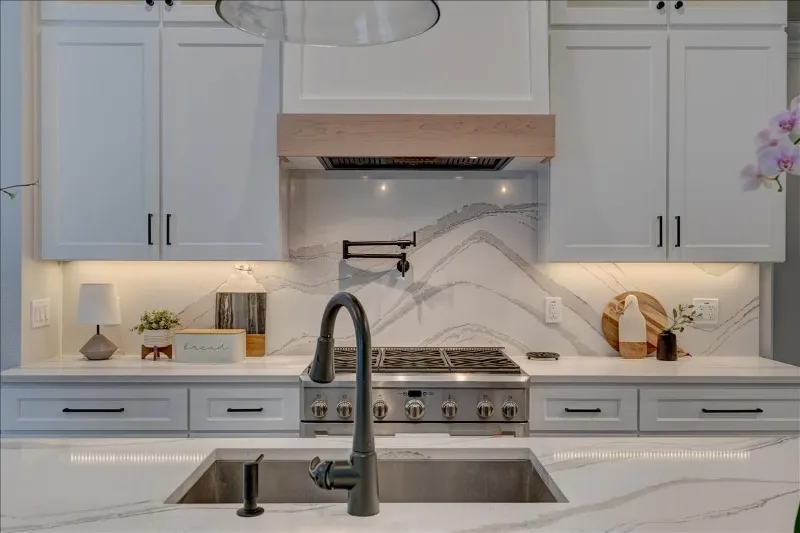
Tile flooring offers homeowners unmatched durability and design versatility with a wide variety of materials and finishes. This article explains the key tile flooring types available, how to choose the right floors for each room, essential installation considerations, and maintenance tips that ensure longevity. It also reviews recommended brands, latest trends, and planning tools to help you visualize your tile projects so you can make a well-informed decision for a beautiful, resilient home.
What Are the Best Types of Tile Flooring for Homes?
Tile flooring options include ceramic, porcelain, natural stone, glass, mosaic, and modern variants. The ideal choice depends on the room’s function, aesthetics, and required durability. Ceramic and porcelain tiles offer affordability and versatile design options, whereas natural stone tiles like granite, marble, and travertine bring luxurious textures and unique veining. Glass and mosaic tiles add an accentuated design element through their reflective and varied color properties, enhancing both style and practicality.

What Are the Differences Between Ceramic and Porcelain Tiles?
Both ceramic and porcelain tiles are made from clay and fired in a kiln; however, they differ in density and water absorption. Ceramic tiles are generally less dense and absorb more water, making them best for low-traffic areas and interior walls. Porcelain tiles are denser and more durable with lower water absorption, which makes them ideal for high-traffic areas, outdoor installations, and wet environments such as kitchens and bathrooms where resistance to scratches and stains is critical.
How Does Natural Stone Tile Compare: Granite, Marble, and Travertine?
Natural stone tiles offer distinct benefits based on their type. Granite is known for its strength and is excellent for countertops and high-traffic flooring. Marble provides an elegant, timeless appeal but is softer and better suited to low-traffic areas. Travertine, with its textured, porous surface, creates a warm, rustic look but typically needs sealing to prevent stains. Each stone’s unique appearance, maintenance needs, and durability require careful consideration to ensure the best fit for your space.
What Are the Benefits of Glass and Mosaic Tiles for Home Flooring?
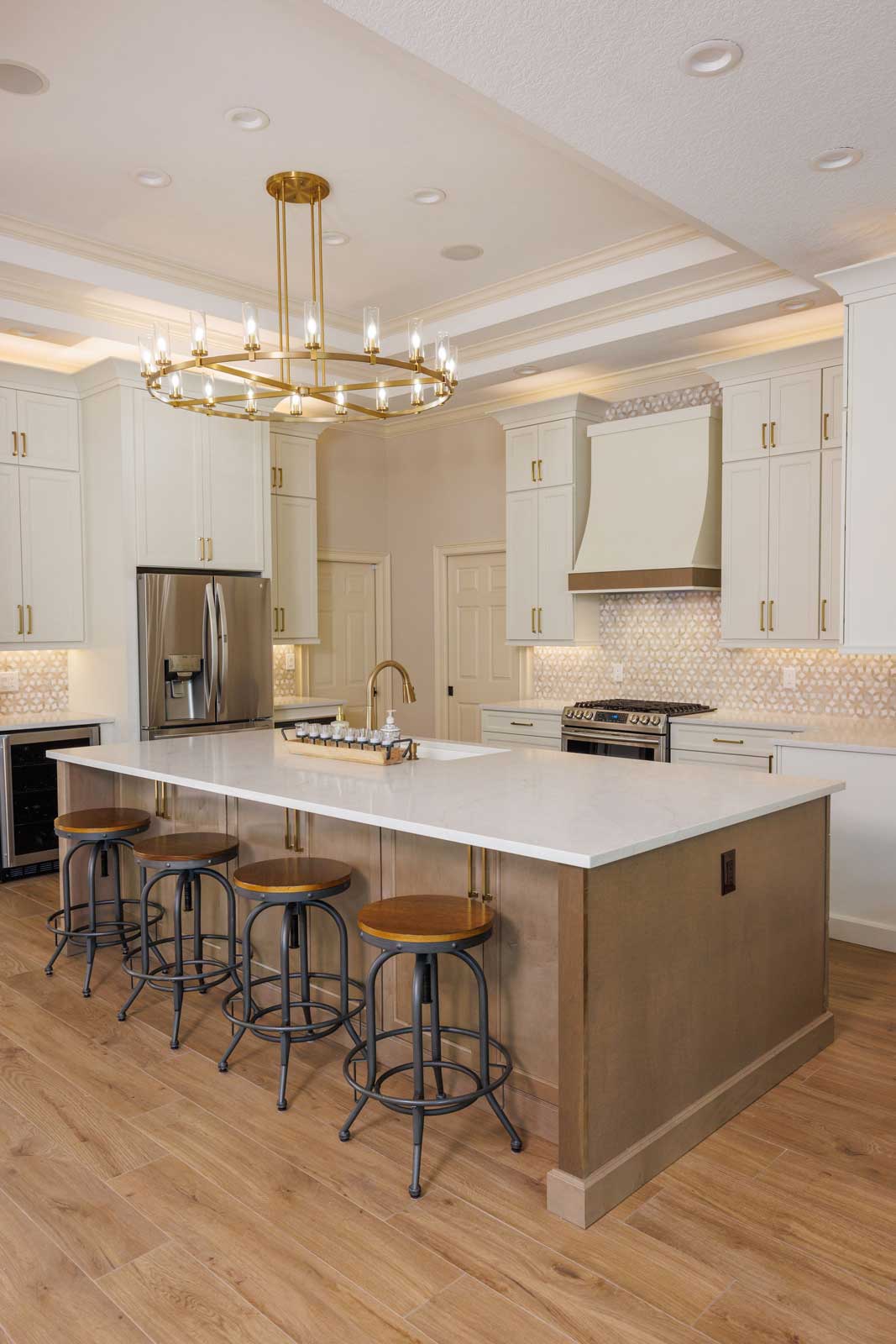
Glass and mosaic tiles enhance interior design with their brilliant aesthetic and creative application possibilities. Glass tiles introduce a modern, sleek, and reflective quality that can visually expand small spaces. Mosaic tiles, assembled from smaller pieces, offer flexibility for creating intricate patterns and designs that serve as accent areas on backsplashes or feature walls. Their varied colors and reflective surfaces can elevate lighting and add a decorative flair to your floor design.
Which Tile Styles Are Popular for Modern Home Flooring?
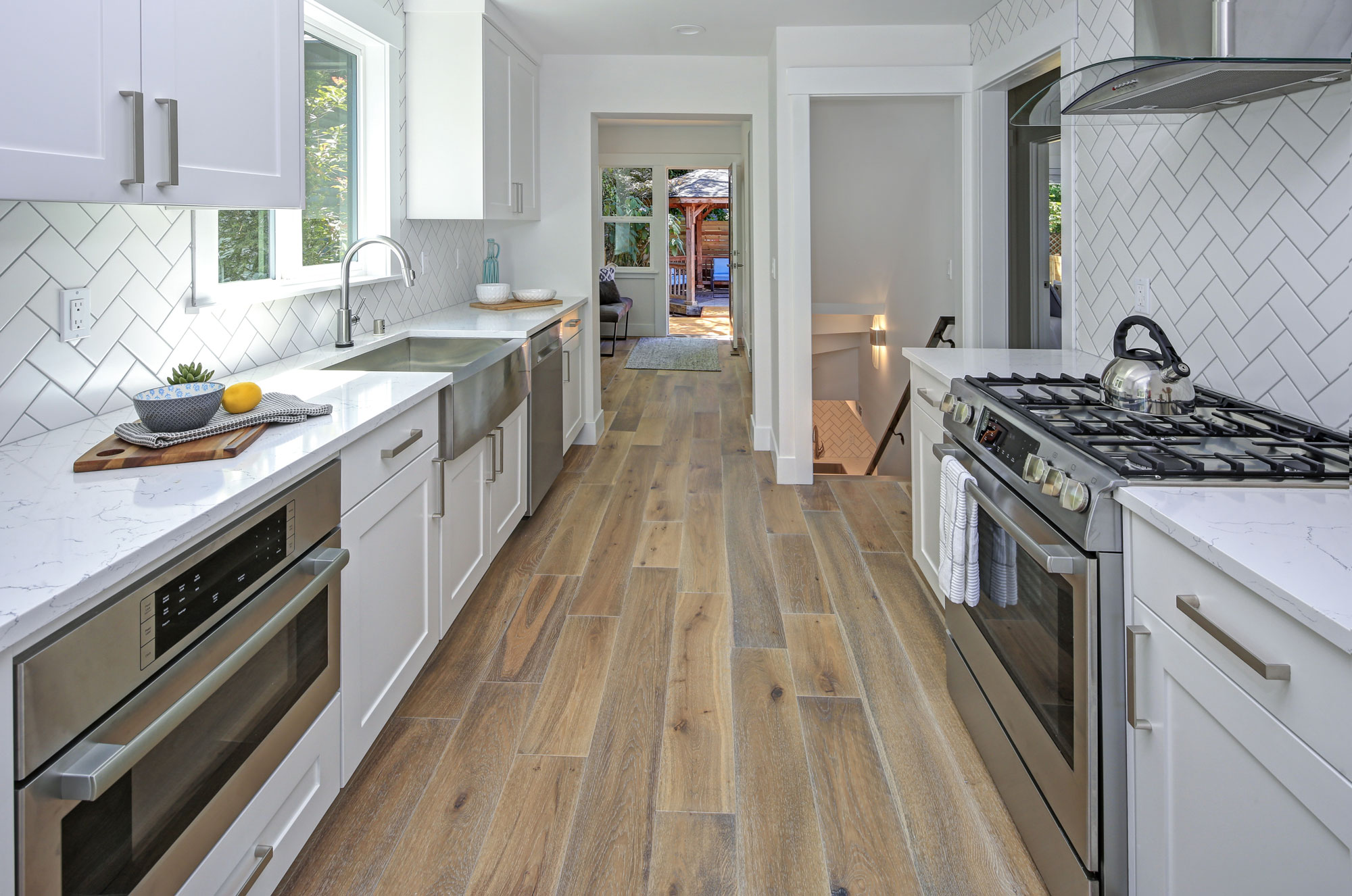
Current trends favor tiles with large, slim profiles and natural textures. Large-format tiles offer a seamless look with fewer grout lines, while wood-look porcelain tiles mimic natural hardwood without the associated maintenance. Patterned encaustic tiles, herringbone, and hexagon designs also remain popular as they inject visual dynamism and a minimalist elegance into modern interiors.
How Do You Choose the Right Tile Flooring for Different Rooms?
Choosing tile flooring depends on each room’s specific needs such as moisture levels, foot traffic, style, and maintenance. Kitchens typically require durable, slip-resistant tiles; living rooms benefit from warm and subtle designs; and outdoor spaces need weather-resistant tiles. Matching the tile type to the room’s function and design ensures both practicality and aesthetic appeal.
What Is the Best Tile Flooring for Kitchens?
Kitchens need a blend of durability and style. Porcelain tiles are especially recommended because they resist stains, scratches, and water, making them well-suited for heavy-traffic kitchen environments. They are available in a variety of designs, including wood-look and stone-look options, and their ease of maintenance and resistance to spills are vital features in busy kitchens.
Which Tiles Work Best in Bathrooms for Durability and Style?
Bathrooms demand tiles that handle moisture and temperature fluctuation. Porcelain and natural stone tiles are popular due to their low water absorption and resistance to mold. Glass tiles, often used as accents, can brighten smaller spaces. For instance, porcelain tiles with textured finishes improve slip resistance, ensuring safety in wet areas while maintaining a stylish appearance.

What Are the Ideal Tile Options for Living Rooms and Entryways?
For living rooms and entryways, a balance between comfort and durability is essential. Natural stone tiles—such as slate or travertine—provide warm elegance, while porcelain tiles can imitate wood or stone textures economically. In high-traffic entryways, durable and stain-resistant options are preferred to prevent premature wear. Large-format tiles with minimal grout lines help maintain a modern and clean look while delivering on function.
How to Select Tile Flooring for Outdoor Spaces?
Outdoor applications require tiles designed for weather resistance, durability, and slip prevention. Porcelain tiles work well on patios and walkways due to their resistance to frost and high temperatures. Natural stone like travertine offers an organic aesthetic when sealed properly against the elements. Key features such as UV stability and non-slip finishes are important to enhance safety and extend the life of outdoor installations.
What Are the Key Factors to Consider When Installing Tile Flooring?
Successful tile installation depends on proper substrate preparation, correct adhesive selection, precise layout planning, and appropriate grout application. Even the finest tiles perform poorly if the subfloor is not well-prepared. Homeowners should use an installation method suited to both the tile type and the room conditions, whether it involves laying a full-spread mortar bed or using a floating laminate underlayer for engineered wood-look tiles.
What Are the Most Common Tile Installation Methods?
Traditional mortar-set, thin-set, and epoxy resin installations are the most frequently used methods. The mortar-set technique is standard for ceramic and porcelain tiles in interiors. Thin-set offers enhanced adhesion particularly in moisture-prone areas. Epoxy resin installations are optimal in industrial and high-traffic environments where exceptional durability is required. Each method demands varying levels of time and skill, so professional assistance is often advisable for complex or large-scale projects.
How Much Does It Cost to Install Tile Flooring?
Installation costs depend on factors such as tile price, preparation materials, adhesives, grout, labor, and any necessary subfloor repairs. Typical professional installation in the United States ranges from approximately $5 to $15 per square foot, influenced by material choice and design complexity. High-end materials like natural stone can significantly elevate costs compared to more standard ceramic options.
Can Homeowners Install Tile Flooring Themselves?
DIY installation is possible if homeowners have the right tools, time, and experience. However, complex layouts, irregular room shapes, or natural stone tiles may benefit from professional expertise to avoid costly mistakes. Although DIY projects can lower labor costs, improper preparation or uneven adhesive application can lead to future issues. Homeowners should carefully review tutorials and manufacturer guidelines, and consult experts when in doubt.
What Are the Best Practices for Tile Grout and Sealing?
For long-lasting tile flooring, proper grout and sealant application is essential. Selecting the right type of grout, mixing it correctly, and applying a generous sealant to both tiles and grout lines are critical steps. Newly installed tiles require a curing period for grout before sealing to prevent stains and moisture penetration. Periodic resealing, generally every few years, protects against color deterioration and grout breakdown, especially in high-moisture areas.
How Do You Maintain and Care for Tile Flooring to Ensure Longevity?
Regular maintenance preserves tile flooring’s aesthetic appeal and durability. Routine cleaning, periodic resealing of grout, and timely repair of chips or cracks prevent minor issues from evolving into expensive repairs. Consistent upkeep is key to sustaining both the appearance and functionality of your tile floor.
What Are the Best Cleaning Methods for Different Tile Types?
Cleaning methods vary across tile types. For ceramic and porcelain, a mild detergent mixed with warm water is usually adequate—avoid harsh chemicals that could damage the glaze. For natural stone tiles, pH-neutral cleaners are recommended to safeguard the stone’s integrity. Glass and mosaic tiles require gentle scrubbing with a microfiber cloth to prevent scratching. Avoiding abrasive cleaners helps maintain both the tiles and grout lines.
How Often Should Tile Grout Be Sealed and Cleaned?
Sealing grout every one to two years is typically recommended, adjusting for high-traffic and moisture-prone areas which might require more frequent treatment. Regular cleaning with a soft brush and suitable cleaning solution helps prevent buildup and preserves the grout’s protective function, ensuring long-term tile performance.
What Are Common Tile Flooring Problems and How to Fix Them?
Frequent issues with tile flooring include cracked or chipped tiles, stained grout, and loose tiles. Minor cracks or chips may be repaired with filler kits or patching compounds, while severely damaged tiles might require replacement. Stained grout can often be remedied with a grout cleaner and subsequent resealing. Loose tiles usually need reapplication of adhesive or regrouting. Prompt repairs maintain both safety and visual appeal.
Which Tile Brands and Products Are Recommended for Home Flooring?
Top manufacturers such as Daltile, MSI, and other leading porcelain brands offer tiles that combine extensive warranties with superior quality and a broad range of designs. Their products meet high manufacturing standards to ensure durability, style, and longevity in various settings. When selecting a brand, consider product availability, design support, and customer reviews to ensure reliability and value.
What Are the Features of Top Ceramic Tile Brands Like Daltile and MSI?
Brands like Daltile and MSI feature a diverse range of colors, textures, and styles in their ceramic tile collections. Their tiles often incorporate advanced glaze technology and enhanced slip resistance with high durability ratings confirmed under real-world conditions. Regular collection updates mean these brands cater to both modern and classic interior designs, making them a popular choice for both residential and commercial applications.
How Do Porcelain Tile Brands Compare in Quality and Price?
Porcelain tile brands are renowned for their strength, low water absorption, and design versatility. Premium brands may command higher prices due to superior materials and intricacies, yet they typically offer longer-lasting performance. Many mid-tier options now provide comparable quality at a more accessible price, making them a strong contender for homeowners balancing quality with budget considerations.
Where Can You Find Trusted Reviews for Tile Flooring Products?
Reliable reviews are available from home improvement websites, industry magazines, and customer feedback on major retail platforms. Forums on professional installation and consumer review sites like Houzz, HomeAdvisor, and Consumer Reports also offer in-depth insights. Designers and installers frequently publish comparative guides, aiding homeowners in making informed decisions based on detailed analyses and real-world usage.
What Are the Latest Trends and Innovations in Tile Flooring?
Tile flooring continues to evolve with technological advances and changing design trends. There is rising demand for sustainable materials, innovative large-format tiles, and smart home integrations. Modern manufacturing techniques now produce tiles that are more durable and customizable while embracing eco-friendly practices, ensuring tile options can meet the demands of contemporary interior design.
How Are Large-Format and Wood-Look Tiles Changing Home Flooring?
Large-format tiles create an uninterrupted, cohesive look with minimal grout lines, which is especially effective in expansive areas. In addition, wood-look porcelain tiles combine the elegance of natural wood with superior durability, water resistance, and lower maintenance. These innovations allow homeowners to capture organic textures and warmth while benefiting from high-performance materials suitable for high-traffic or moisture-prone areas.
What Sustainable and Eco-Friendly Tile Options Are Available?
Sustainable options include tiles made from recycled glass, porcelain produced with recycled content, and natural stone sourced with minimal environmental impact. Manufacturers are increasingly adopting energy-efficient kilns and low-VOC glazes, reducing the carbon footprint of tile production. These environmentally friendly choices combine durability and beauty with responsible manufacturing practices, appealing to eco-conscious homeowners.
How Is Smart Home Integration Influencing Tile Flooring Choices?
Smart home features are becoming part of tile flooring innovations. Temperature sensors, underfloor heating, and even embedded LED lighting systems are now being integrated within tile designs. Such smart technologies allow precise control over room temperature and environmental monitoring. This integration of modern technology with traditional flooring materials offers enhanced comfort, energy efficiency, and customization options for today’s interactive home environments.
How Can You Visualize and Plan Your Tile Flooring Project?
Effective project visualization is essential for a successful tile installation. Homeowners can use interactive design applications to experiment with patterns, colors, and layouts before purchase. These tools—often including mood boards, 3D renderings, and sample comparisons—aid in planning the ideal design. Additionally, budgeting, timeline considerations, and consultations with flooring experts or interior designers are vital steps to ensure the final design works as envisioned.
What Interactive Tools Help Choose the Right Tile Style and Color?
Augmented reality apps and interactive design tools from tile retailers allow you to upload photos and virtually test different tile patterns in your space. These applications provide style suggestions based on trends and personal taste, ensuring the selected tile design harmonizes well with your interior décor and overall home design.
How to Create a Tile Flooring Design Plan for Your Home?
A detailed design plan should include accurate measurements, a layout draft that accounts for pattern alignment and supply needs, and professional consultations when necessary. Use home design software for material estimates and to visualize spatial arrangements. Preparing a comprehensive plan helps clarify issues such as pattern orientation and problematic corners, facilitating a smoother installation process.
When Should You Consult Flooring Experts or Professionals?
For large-scale projects, complex patterns, or unique spaces (like outdoor areas or rooms with irregular shapes), consulting professionals is advisable. Experts can provide guidance on adhesive selection, subfloor preparation, and installation techniques that may prevent future problems. Early professional input ensures that your design and installation process is efficient, potentially saving time and money in the long run.
Tile Flooring Comparison Table
Before wrapping up, below is a table summarizing key attributes across popular tile types:
| Tile Type | Durability | Water Absorption | Maintenance | Ideal Use |
|---|---|---|---|---|
| Ceramic | Moderate | Moderate | Easy | Low-traffic indoor areas |
| Porcelain | High | Low | Minimal | High-traffic, outdoor areas |
| Natural Stone | Variable (e.g., granite is high) | Variable | Requires sealing | Luxury interiors, hallways |
| Glass/Mosaic | Moderate | Low | Gentle cleaning | Accent walls, backsplashes |
This table highlights that each tile type offers unique benefits; porcelain stands out for its durability and water resistance, while natural stone impresses with luxurious looks at the cost of higher maintenance. Understanding these differences helps homeowners select the best flooring based on usage and design priorities.
Frequently Asked Questions
Q: What tile flooring is best for high-moisture areas? A: Porcelain tiles are best due to their low water absorption and high durability in humid environments.
Q: Can I install tile flooring as a DIY project? A: Yes, with the proper tools and research many homeowners successfully install ceramic or porcelain tiles themselves, though intricate layouts may require professional help.
Q: Do natural stone tiles need special maintenance? A: Yes, they require periodic sealing and pH-neutral cleaners to maintain their appearance and durability.
Q: How often should grout be resealed? A: Typically every one to two years, depending on usage and moisture levels, with high-traffic or wet areas possibly needing more frequent treatment.
Q: What modern features are available in tile flooring? A: Modern options include large-format designs, wood-look finishes, smart heating features, and eco-friendly materials.
Q: Where can I find trusted reviews of tile brands? A: Reviews are available on home improvement websites like Houzz and Consumer Reports, as well as on professional design forums.
Final Thoughts
Tile flooring remains a top choice for homeowners due to its durability, range of design options, and ease of maintenance when properly installed. This guide has explored the benefits of ceramic, porcelain, natural stone, glass, and mosaic tiles, underscoring that each type can fulfill specific needs in different rooms. By considering room function, installation techniques, and maintenance requirements—and by utilizing design tools and expert advice—you can strike the perfect balance between style and practicality. With innovations in large-format tiles, sustainable materials, and integration with smart home systems, tile flooring continues to evolve, promising both timeless appeal and modern functionality. This guide provides the essential knowledge needed to make a confident, informed decision for a resilient and stylish home.
If you are looking for a quality tile installation company, look no further than Yeager Flooring. With over 80 years in business and unmatched expertise, we are your Tampa area experts! Call us today!
About the Author: Jim Yeager, Flooring & Remodeling Expert